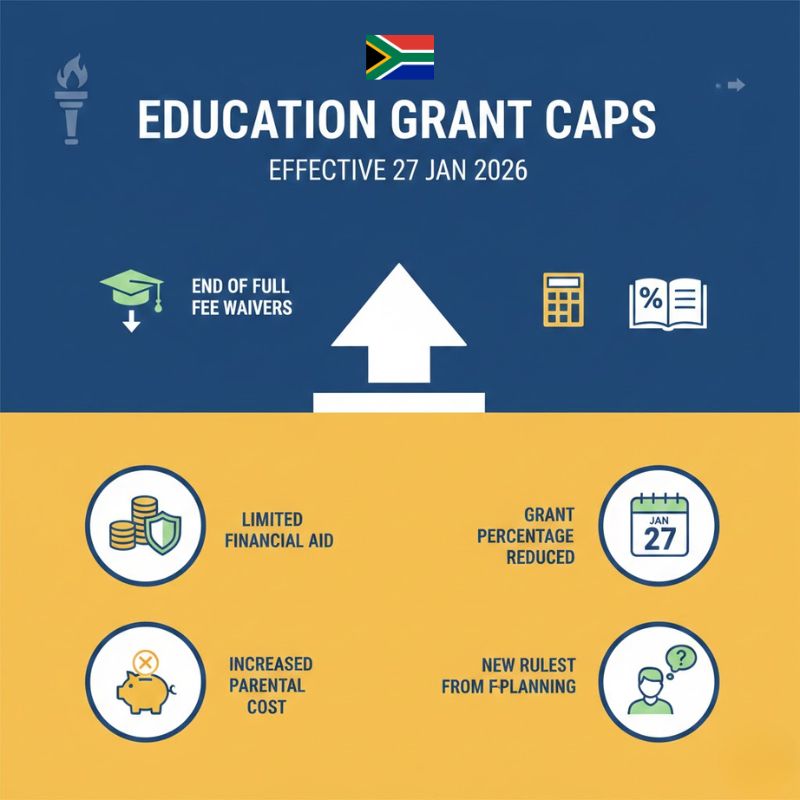
Starting on 27 January 2026 South Africa will see major changes to its education support system when the government puts new restrictions on current school fee relief programs. The updated education grant rules are designed to manage costs while directing help toward families with the greatest need. This marks an important shift from broad relief to more targeted support for many households that are already struggling with rising living costs. Parents and students and schools are now preparing to adjust to how these new grant restrictions will affect tuition planning and family budgets and access to extra educational resources across the country.

Education Grant Caps Reshape School Fee Assistance
The introduction of education grant caps represents a major change in how South Africa supports school fee funding. Under the revised system, subsidies will no longer rise endlessly alongside tuition increases. Instead, clearly defined maximum limits now apply. This adjustment aims to promote cost control among schools while ensuring that public education funding remains sustainable.
As a result, some families may observe that maximum grant amounts are lower than in previous years, particularly for higher-fee programmes. Policymakers stress that the change is intended to support a fairer allocation of resources and reduce unequal advantages. With grants capped, schools are expected to demonstrate greater accountability in pricing. Despite the rapid rollout, authorities note that access to essential education continues to be safeguarded through carefully structured thresholds.

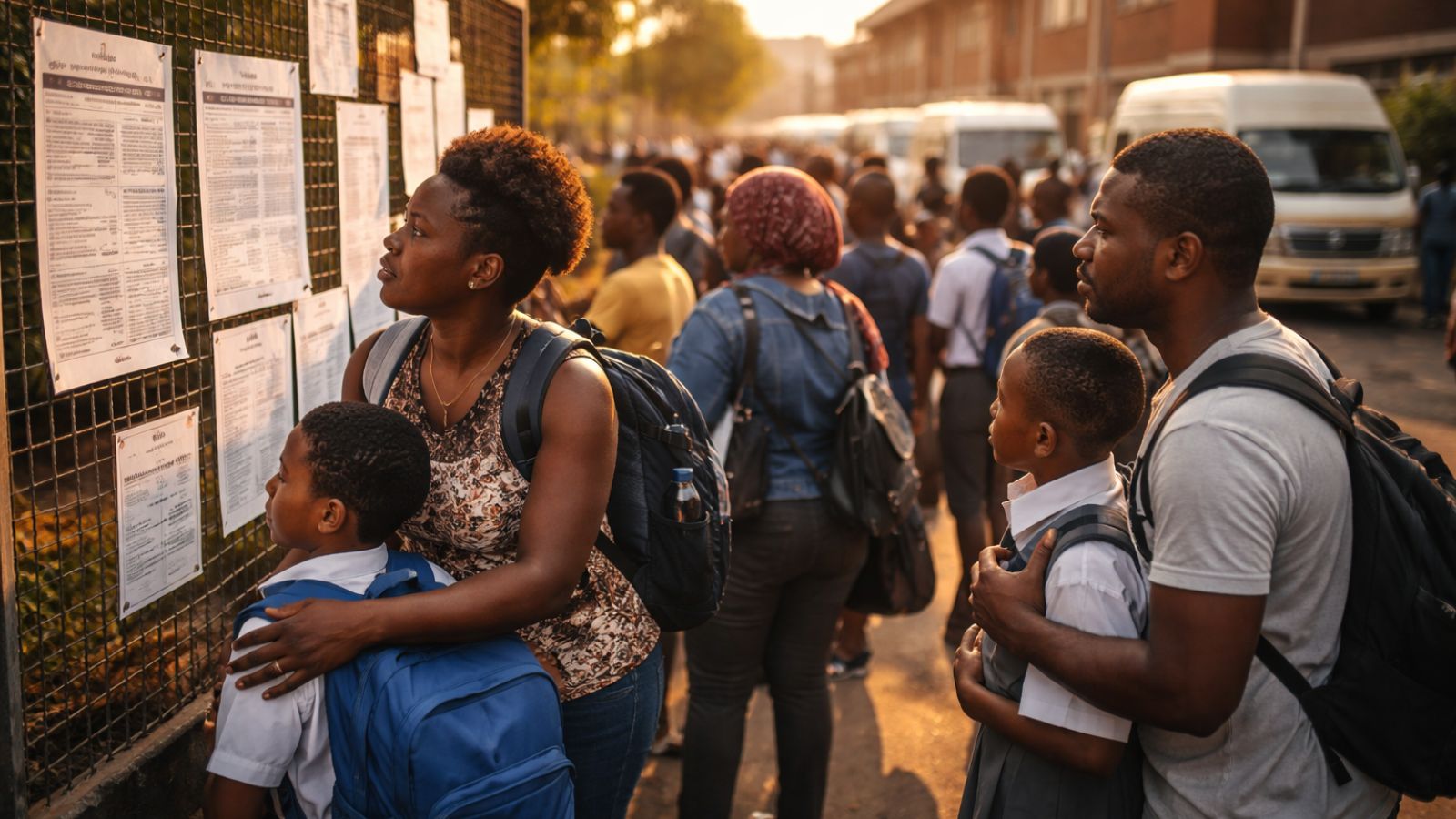
How Changes to School Fee Relief Affect Families
The impact of capped education grants will differ depending on household income and school choice. Families with lower incomes are expected to maintain most of their existing support, while middle-income households may experience higher out-of-pocket education costs. This shift could encourage parents to review budgets, explore alternative schooling options, or consider institutions with lower tuition fees.
Some households are already evaluating more affordable education pathways to preserve quality learning. The government reiterates that targeted assistance remains in place, including additional aid for families facing genuine financial hardship. Effective and transparent communication from schools will play a crucial role in helping parents understand how grant caps influence monthly expenses.
Why South Africa Introduced Limits on Education Grants
The decision to impose education grant limits reflects wider fiscal pressures and evolving policy goals. Rising education costs combined with growing student enrolment numbers have increased strain on public finances, prompting a focus on long-term sustainability. Officials argue that unlimited subsidies can contribute to tuition inflation, whereas caps encourage shared responsibility between the state, schools, and families.

This approach also supports a broader move toward need-based financial assistance rather than blanket subsidies. By establishing firm boundaries, the government seeks to protect future funding capacity while continuing to prioritise access to education nationwide.
Conclusion and Future Outlook
The shift away from unlimited school fee support marks a careful yet necessary transition. Education grant caps are designed to enhance financial stability without restricting educational access. Their effectiveness will depend on clear implementation, transparent communication, and responsive support systems for affected families.
Schools will need to adapt with responsible fee structures, while parents adjust financial planning around capped assistance. With ongoing oversight and evaluation, the policy aims to balance protecting vulnerable learners with encouraging cost awareness across the education sector.
| Category | Before 27 Jan 2026 | From 27 Jan 2026 |
|---|---|---|
| Grant Structure | Largely uncapped, flexible support levels | Capped limits now apply for all recipients |
| Middle-Income Support | Wide-ranging coverage with higher aid | Maximum support reduced to control expenditure |
| Low-Income Households | High subsidy levels offered | Continued priority protection maintained |
| School Fee Growth | Less constrained, more variable increases | Growth now more controlled and predictable |
| Policy Focus | General relief across all households | Targeted assistance for specific groups |