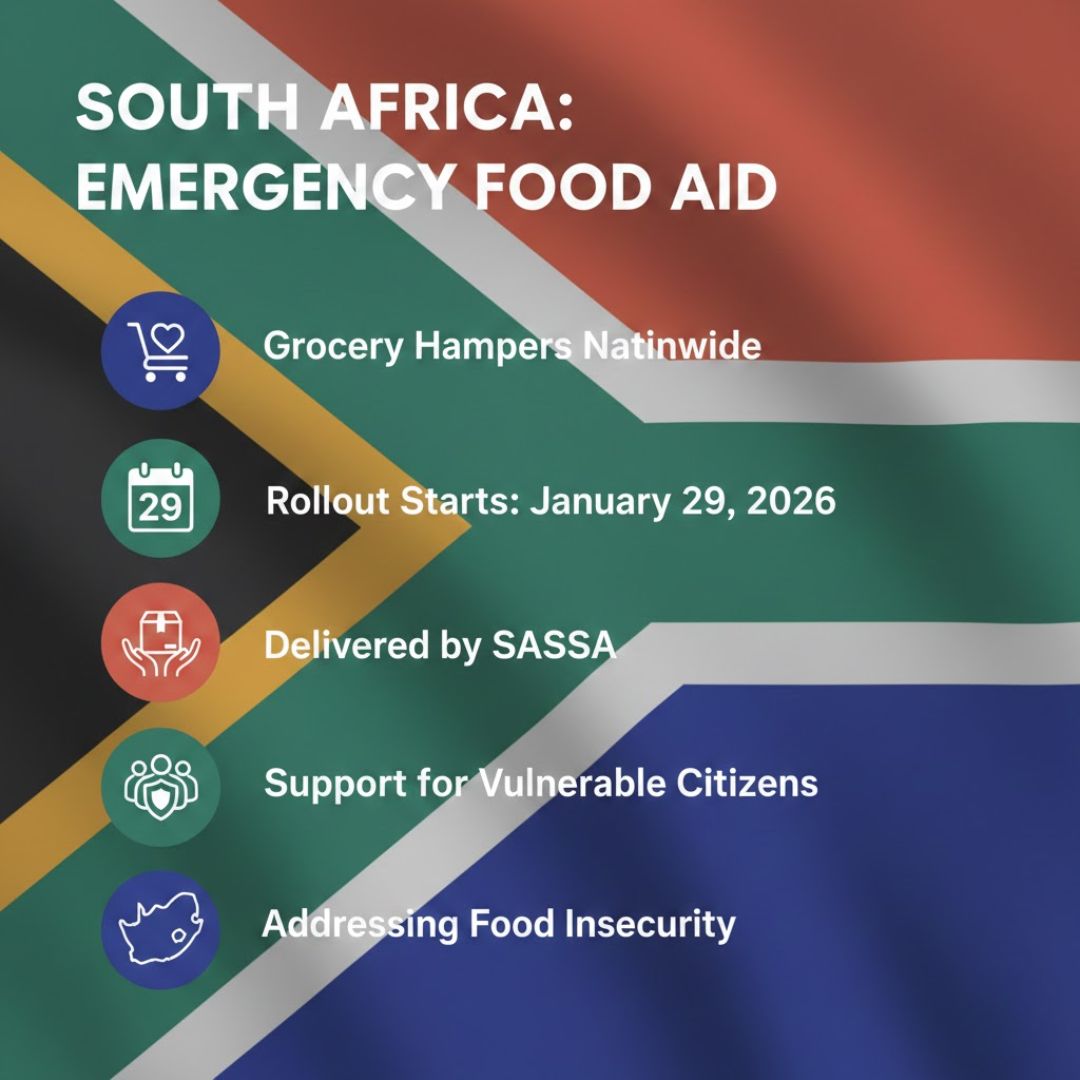
The South African Social Security Agency (SASSA) is set to introduce a large-scale emergency food assistance programme starting on 29 January 2026. This initiative is designed to address increasing food insecurity across South Africa by providing grocery hampers to thousands of vulnerable families. As many households continue to struggle with rising living costs, SASSA’s intervention aims to deliver immediate relief and reinforce national efforts to combat hunger during challenging economic conditions.
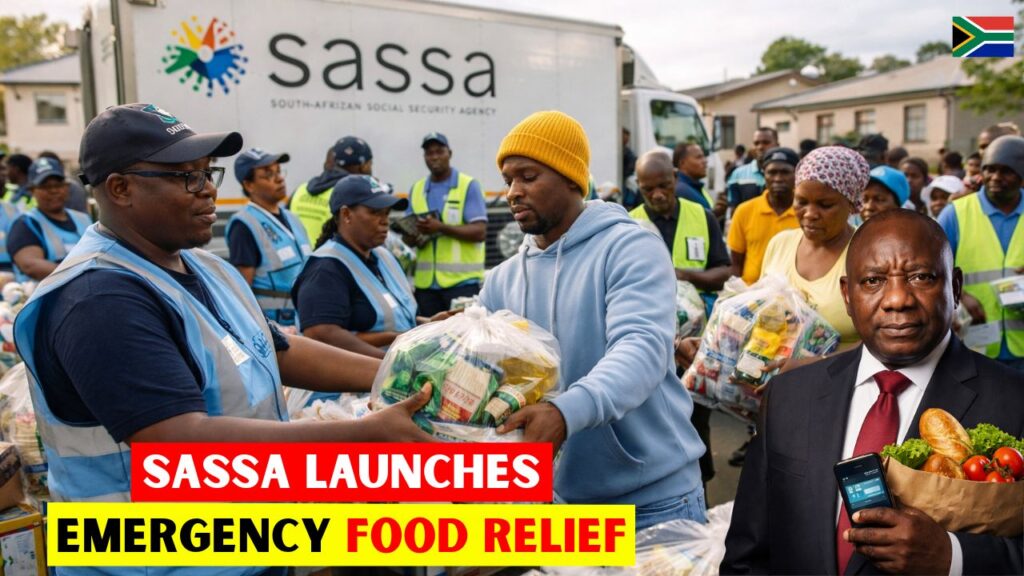
Table of Contents
The emergency food aid programme planned for January 2026 represents a comprehensive national response to food insecurity. SASSA will distribute grocery hampers containing essential food staples to households identified as most in need. These hampers are intended to support basic nutritional requirements and provide short-term relief. To ensure smooth implementation, SASSA is working with local partners and community organisations to reach beneficiaries efficiently.
Programme highlights:

Includes staple foods such as maize, beans, and rice
Supports families in both urban and rural regions
Targets areas with the highest levels of food insecurity
Logistics and Distribution Plans for January 2026
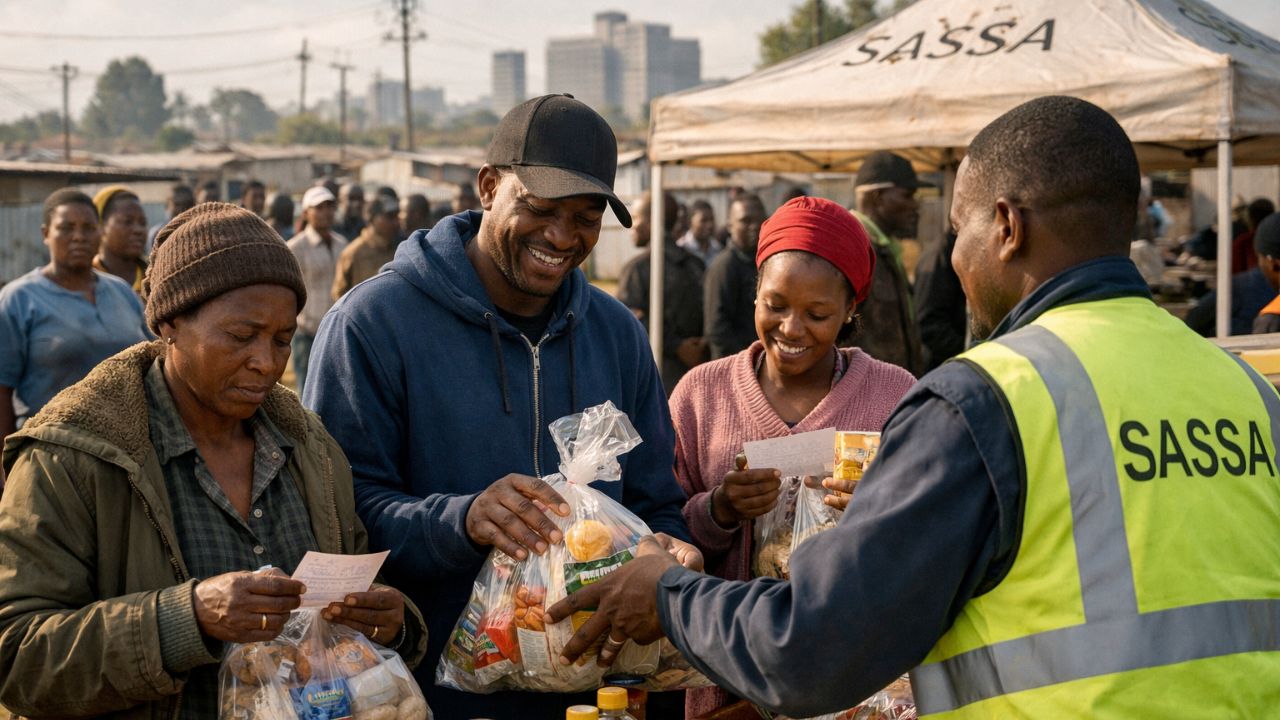
SASSA has developed a detailed logistics and distribution strategy to ensure the grocery hampers reach beneficiaries fairly and on time. Collaboration with municipalities, community leaders, and partner organisations plays a key role in identifying priority locations. Distribution centres will be positioned in accessible areas to reduce travel challenges for recipients.
Impact of SASSA’s Grocery Hampers on Communities
The grocery hamper programme is expected to deliver meaningful relief to households facing food shortages. By focusing on the most vulnerable populations, the initiative aims to reduce hunger-related stress and improve daily living conditions. In addition to immediate assistance, the programme brings attention to the broader issue of food insecurity and the importance of long-term solutions.
Enhances nutritional intake for children and adults
Reduces stress linked to food shortages
Encourages cooperation within communities

Emphasises the need for sustainable food systems
Community Response and Feedback
Feedback from communities selected for the programme has been largely positive. Beneficiaries have welcomed the assistance, highlighting its importance in meeting daily food needs. Community leaders have also acknowledged the value of ongoing collaboration to address wider socio-economic challenges.
Challenges in Rolling Out Emergency Food Aid
Despite strong planning, the programme faces several challenges. Reaching remote and underserved areas remains a logistical concern, while ensuring fair distribution requires close coordination among stakeholders. Long-term sustainability also depends on consistent funding and support.
Logistical difficulties in rural locations
Ensuring transparent and fair distribution
Maintaining sustainability over time
Securing ongoing financial support
How Beneficiaries Can Prepare for Distribution
Beneficiaries are encouraged to prepare ahead of time by confirming distribution dates and locations, carrying required identification documents, and following instructions from local coordinators. Proper preparation will help ensure an orderly and efficient distribution process for everyone involved.