Stage 6 Loadshedding Impact on 31 January : South Africa experienced a serious energy crisis on 31 January when Stage 6 loadshedding was rolled out across multiple regions. This high level of power cuts caused major disruptions to everyday activities & exposed the persistent problems in the country’s energy sector. Residents and businesses had to quickly adjust to the situation while the most affected areas dealt with considerable difficulties. Understanding the full extent of this loadshedding event is important. This article examines which regions suffered the most from these power outages and looks at how communities are managing the situation & what it suggests about the future of power management in South Africa.
What Stage 6 Loadshedding Means for South Africans
Loadshedding is a familiar challenge in South Africa, but understanding the implications of Stage 6 is essential to grasp its full impact. At this level, planned electricity outages can last up to six hours per day, affecting both homes and businesses. Stage 6 is usually introduced to protect the national grid from a complete failure caused by high demand or limited supply. Compared to lower stages, power rationing becomes far more intense, resulting in more frequent and longer outages.
– More frequent power interruptions

– Extended outage periods
– Severe disruption to business operations
– Increased pressure on households
– Impact on emergency services
– Risk of economic slowdown
– Difficulties maintaining daily routines
Areas Most Affected by Loadshedding on 31 January
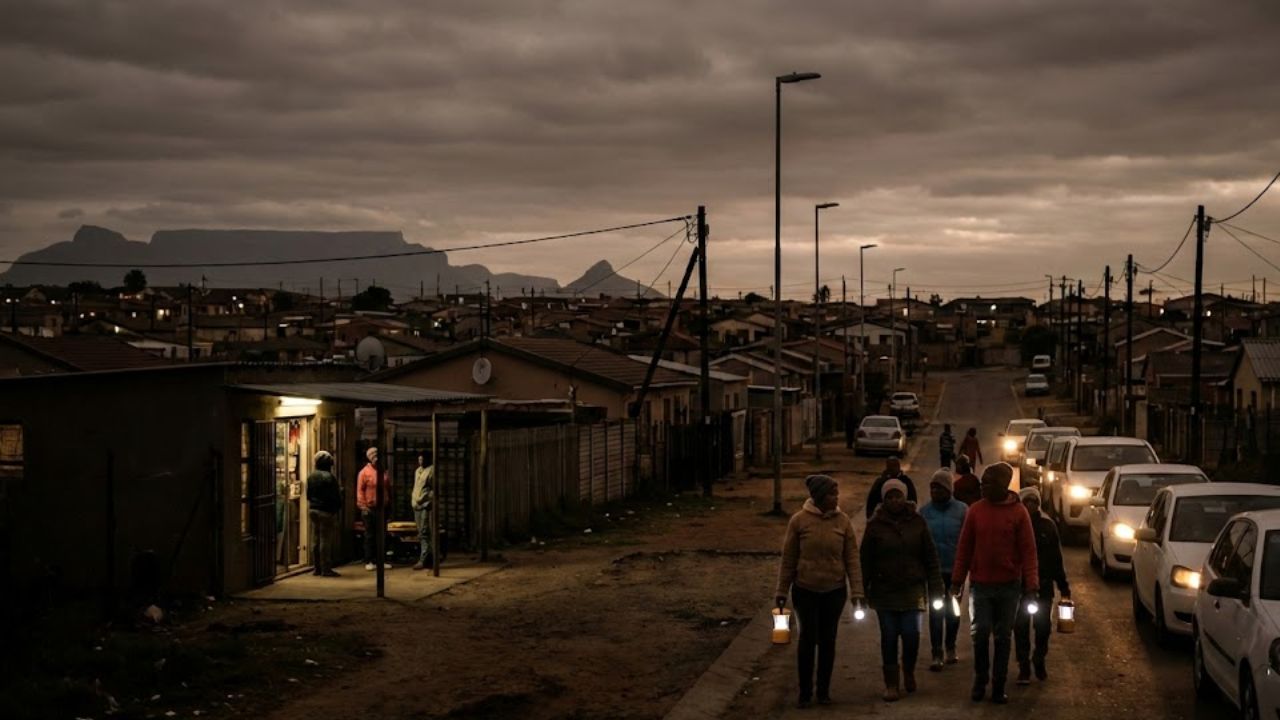
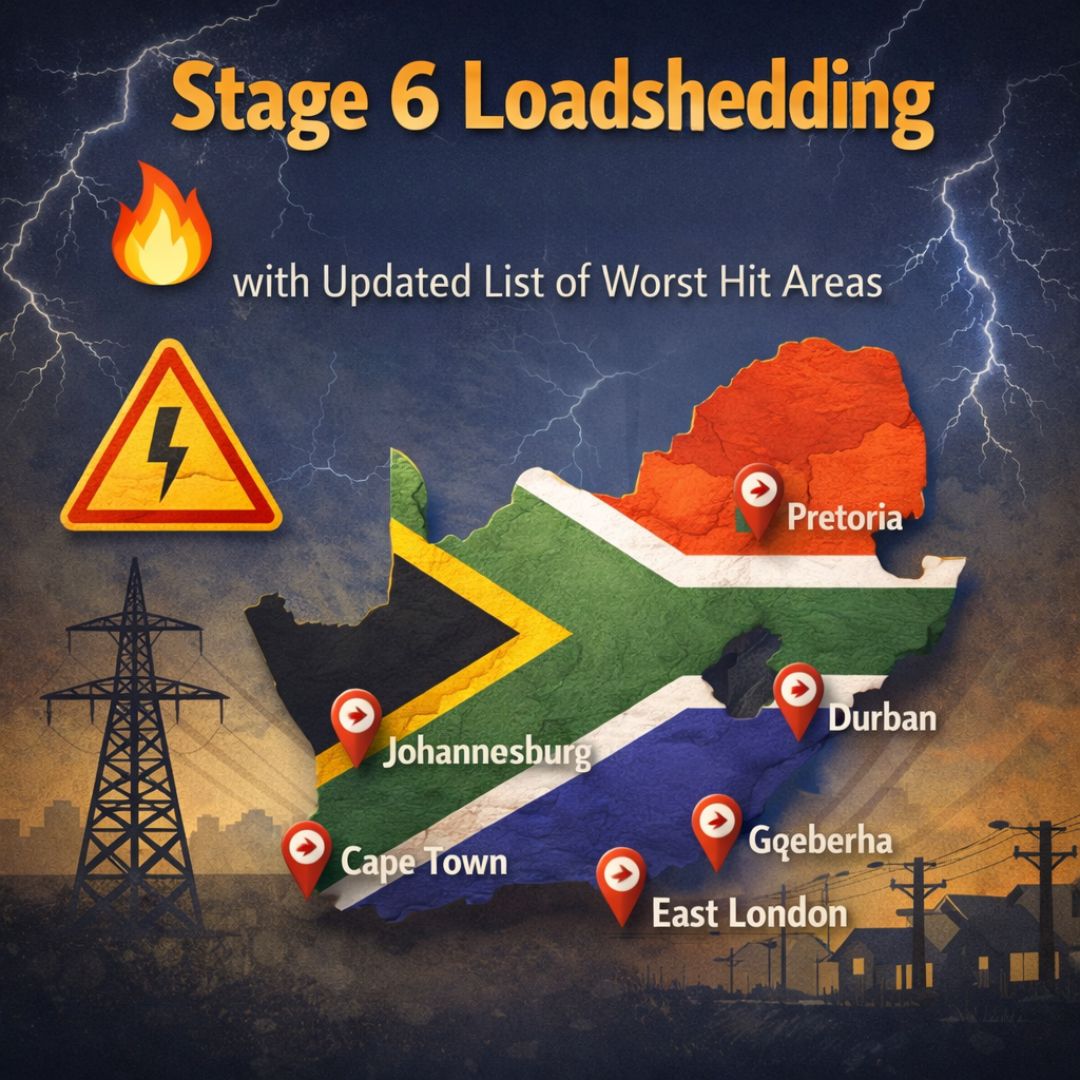
The loadshedding implemented on 31 January disrupted many parts of South Africa, with certain regions facing heavier impacts than others. Major cities and industrial zones, where electricity demand is consistently high, were among the worst affected. These areas experienced prolonged power cuts, interrupting normal activities and business functions. Residents were encouraged to reduce electricity use and stay prepared for outages, while companies had to adjust operations to limit losses.
| Region | Outage Duration | Impact on Residents | Impact on Businesses | Notes |
|---|---|---|---|---|
| Johannesburg | 6 hours | High | Critical | Traffic disruptions |
| Cape Town | 5 hours | Moderate | High | Public transport affected |
| Durban | 4 hours | Moderate | Moderate | Water supply issues |
| Pretoria | 5 hours | High | High | Communication interruptions |
| Port Elizabeth | 3 hours | Low | Moderate | Minimal disruptions |
| Bloemfontein | 4 hours | Moderate | Moderate | School closures |
| Polokwane | 3 hours | Low | Low | Normal operations |
| Nelspruit | 6 hours | High | Critical | Healthcare services affected |
How South Africans Are Adjusting to Ongoing Loadshedding
With loadshedding becoming part of everyday life, South Africans are finding ways to adapt and cope. Many households are investing in alternative energy solutions and reshaping daily schedules around outage times. Solar panels and backup generators are increasingly common as families seek greater energy independence. Businesses are responding by installing UPS systems to maintain operations during power interruptions.
– Solar panel installations
– Use of backup generators
– Adjusted working hours
– Investment in UPS solutions
– Community-driven energy initiatives
Government’s Role in Stabilising South Africa’s Power Supply
The South African government plays a central role in managing electricity supply and responding to the ongoing energy crisis. Current efforts focus on expanding generation capacity, upgrading infrastructure, and encouraging energy efficiency. However, progress is slowed by challenges such as aging power stations and maintenance backlogs. To address these issues, the government is actively exploring private-sector partnerships to attract new investment into the energy sector.

– Increasing power generation capacity
– Upgrading energy infrastructure
– Promoting efficient electricity use
– Managing aging power plants
– Encouraging private investment
– Exploring renewable energy solutions
Community-Led Actions to Reduce Loadshedding Impact
Across the country, communities are taking active steps rather than waiting solely for national solutions. Local initiatives focused on energy conservation and renewable power projects are helping to ease pressure on the grid. Collaboration between residents, small businesses, and non-profit organisations is proving effective in lowering dependence on the national electricity supply.
– Local energy-saving campaigns
– Community renewable energy projects
– NGO partnerships
– Energy efficiency education programs
– Joint sustainability initiatives
– Formation of local energy cooperatives
– Investment in community solar farms
The Impact of Technology on Energy Management
Technological innovation is playing a growing role in addressing South Africa’s energy challenges. Developments in smart grid systems, energy storage, and renewable technologies are enabling more efficient power management. These solutions help optimise electricity distribution while reducing strain on the national grid. Tools such as smart meters and home energy management systems allow users to track and control consumption more effectively.
| Technology | Function | Benefits | Challenges |
|---|---|---|---|
| Smart Grid | Optimizes power distribution | Improves efficiency | Cost of implementation |
| Energy Storage | Stores excess energy | Reduces peak demand | Limited capacity |
| Renewable Energy | Generates sustainable power | Eco-friendly | Initial investment |
| Smart Meters | Monitors energy usage | Consumer control | Data privacy concerns |
| Home Energy Systems | Manages household power | Cost savings | Complex installation |
| Advanced Power Plants | Efficient energy production | Reduced emissions | Maintenance challenges |
| Grid Automation | Automates power supply | Reliability | Technical expertise required |